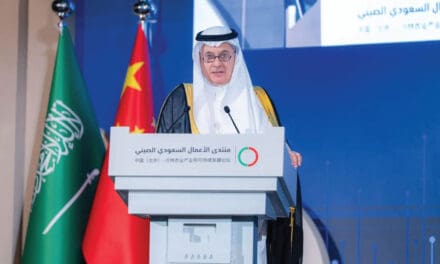
Riyadh, Saudi Arabia — His Excellency the Deputy Minister of Environment, Water and Agriculture, Eng. Mansour bin Hilal Al-Mushaiti, witnessed the signing of a tripartite memorandum of understanding between the National Program for the Development of the Livestock and Fisheries Sector and Anifax on Monday, 07/01/1448 AH.
The memorandum focuses on localizing veterinary vaccines in the Kingdom. It reflects a policy direction that links animal health with supply chain resilience and domestic industrial capacity. In this sector, vaccine availability affects disease prevention, livestock productivity and biosecurity. It also shapes the pace at which the Kingdom can reduce dependence on imported inputs.
Sector policy and industrial capacity
Veterinary vaccine localization sits at the intersection of agriculture, public health and industrial development. It can support the livestock sector by strengthening preventive care and lowering exposure to external supply disruptions. It can also create a framework for knowledge transfer, technical training and local production capabilities. Moreover, such agreements often complement broader efforts to build strategic food systems and improve readiness against animal disease outbreaks.
Saudi Arabia has placed growing emphasis on the development of its livestock and fisheries sectors, including measures that improve productivity and reinforce food security. In that context, the localization of veterinary vaccines aligns with a wider state effort to expand domestic value chains. However, the memorandum announcement did not provide details on production timelines, investment volumes or implementation milestones.
The agreement adds to a series of sector-level initiatives designed to deepen localization in areas tied to food supply and animal health. It also underscores the role of institutional coordination between public entities and private companies. As a result, the focus remains on turning policy intent into operational capacity that can serve producers, veterinarians and regulators across the Kingdom.
THE SAUDI STANDARD’S VIEW: BUILDING BIOSECURITY THROUGH LOCAL CAPACITY
Veterinary vaccine localization is a practical expression of the Kingdom’s approach to resilience: strengthen essential inputs, deepen domestic capability, and reduce exposure to external supply pressures. For Saudi Arabia, this is not only an agricultural measure, but also a strategic step in protecting food systems, animal health, and the broader continuity of production.
• SUPPLY RESILIENCE AS A POLICY PRIORITY
When a sector depends on preventive health tools, reliability matters as much as scale. Localizing veterinary vaccines supports a more stable operating environment for livestock producers and strengthens the Kingdom’s ability to manage animal health with greater autonomy.
• INDUSTRIAL DEVELOPMENT WITH SECTORAL VALUE
This kind of localization carries value beyond the immediate market. It creates pathways for technical capability, specialized employment, and knowledge transfer, while linking industrial policy to a sector with direct relevance to food security and national self-sufficiency objectives.
• BIOSECURITY AND EARLY PREVENTION
Animal disease prevention is a core element of modern agricultural resilience. Strengthening domestic access to veterinary vaccines improves preparedness, supports faster response capacity, and reduces the operational risks that can affect livestock productivity and supply continuity.
• INSTITUTIONAL COORDINATION MATTERS
Projects of this nature succeed when policy design, private participation, and sector oversight move in the same direction. The significance of the agreement lies in its ability to convert strategic intent into a dependable implementation model that serves producers and regulators alike.
Seen through the lens of Vision 2030, veterinary vaccine localization reflects a broader national discipline: building domestic capacity in sectors that support food security, industrial diversification, and long-term resilience. The Kingdom’s progress will depend on sustained execution that turns such partnerships into lasting economic capability.