
Saudi Cabinet Approves IFC MoU, Green Exports Plan to Europe
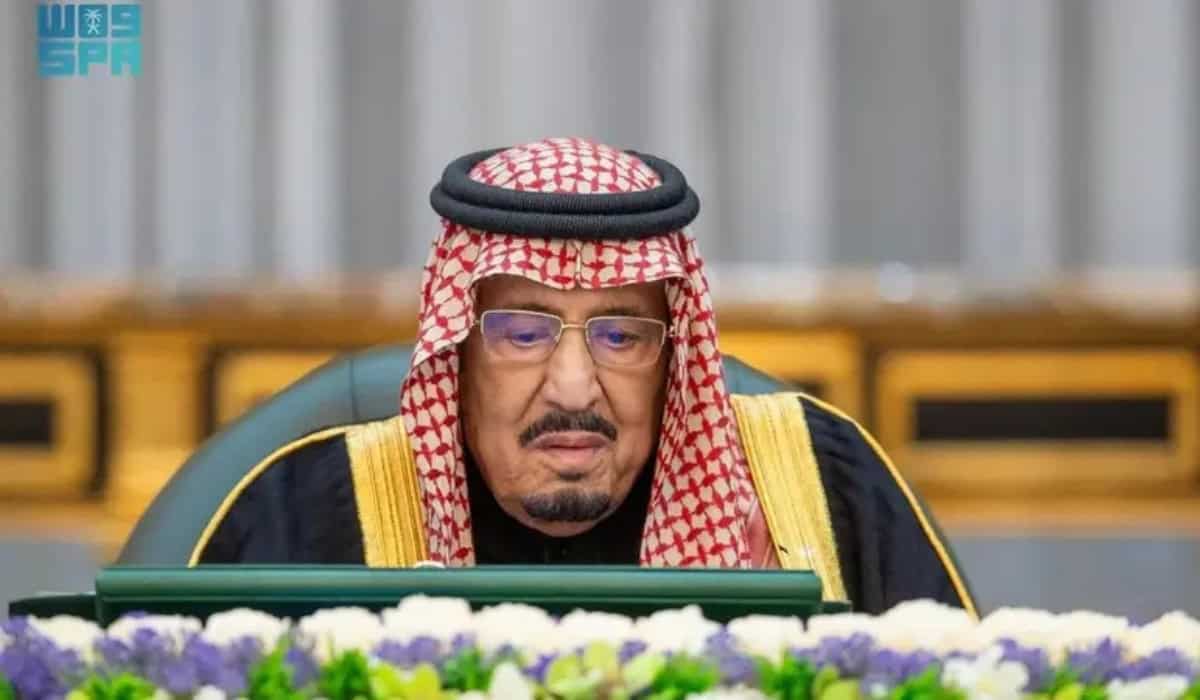
SPA — During its weekly session on Tuesday, chaired by the Custodian of the Two Holy Mosques King Salman bin Abdulaziz Al Saud, the Saudi Cabinet approved a series of strategic agreements, including an MoU with the International Finance Corporation (IFC). These Saudi Cabinet MoU approvals signal the Kingdom’s intent to deepen international investment ties and expand its green energy export framework.
The memorandum between the Ministry of Investment and IFC aims to bolster cooperation in development finance, private sector support, and investment facilitation, aligning with Saudi Arabia’s Vision 2030 economic diversification goals.
Saudi Cabinet MoU approvals target green energy and biotech expansion
The Cabinet also authorized the Minister of the National Guard—or a delegated representative—to begin discussions with the Spanish side regarding a draft MoU focused on gene and cell therapy. The proposed agreement, between Saudi Arabia’s Ministry of the National Guard and the Clinic de Barcelona, would promote collaboration in advanced medical research and biotechnology.
Additionally, the Cabinet affirmed the Kingdom’s ambition to develop an integrated export system for renewable energy and green hydrogen, targeting European markets. This supports Saudi Arabia’s role in the emerging India–Middle East–Europe Economic Corridor and reinforces its commitment to international energy transition partnerships.
Expanding agricultural cooperation and institutional reform
Further Saudi Cabinet MoU approvals include an agreement between the Ministry of Environment, Water, and Agriculture and the Ministry of Agriculture of Tajikistan. This bilateral pact seeks to enhance cooperation in the agricultural sector through shared knowledge and sustainable practices.
The Cabinet also endorsed amendments to the Saudi Red Sea Authority’s organizational structure, aiming to enhance its regulatory and operational capabilities amid rising tourism and maritime activity in the region.
Moreover, these agreements reflect Saudi Arabia’s multi-sector diplomacy, advancing its leadership in green energy, healthcare innovation, sustainable agriculture, and global investment collaboration.
THE SAUDI STANDARD’S VIEW: Cabinet MoUs Reflect Strategic Global Partnerships and Green Export Maturity
The Saudi Cabinet’s latest ratification of multiple memorandums of understanding—spanning global finance, medical innovation, renewable energy exports, and agricultural diplomacy—demonstrates the Kingdom’s expanding institutional influence and economic outreach. Chaired by King Salman bin Abdulaziz, these approvals reflect the practical application of Vision 2030’s internationalization, diversification, and sectoral integration mandates.
- IFC MoU Enhances Saudi Position in Global Capital Markets: The agreement between the Ministry of Investment and the International Finance Corporation integrates Saudi Arabia more deeply into the global development finance ecosystem. It signals growing investor confidence, particularly in emerging market financing and public-private partnership models central to the Kingdom’s growth strategy.
- Green Hydrogen and Energy Export Initiatives Cement Saudi Leadership in Clean Logistics: The Cabinet’s support for cross-border green energy infrastructure with Europe underscores the Kingdom’s readiness to scale hydrogen and solar energy as commercial exports. This marks a critical evolution from domestic energy transformation to global clean energy leadership.
- Biomedical Collaboration Reflects Health Sector Modernization: Authorizing gene and cell therapy cooperation with Spain’s Clinic de Barcelona demonstrates the Kingdom’s ambition to accelerate next-generation health technologies. It positions Saudi Arabia to become a regional hub for biotech R&D and advanced clinical treatments, while fostering knowledge transfer with world-class institutions.
- Agricultural Engagement Strengthens Regional Food Diplomacy: The MoU with Tajikistan broadens the Kingdom’s food security footprint and agricultural influence. It aligns with Saudi Arabia’s strategy to forge sustainable partnerships in arable zones and to export agri-tech and know-how, enhancing regional stability and rural development.
From energy exports to precision medicine and agricultural diplomacy, the Kingdom’s latest MoUs reflect a governance model that is increasingly outward-facing, sustainability-driven, and innovation-led. These Cabinet decisions align with Vision 2030 and reaffirm Saudi Arabia’s role as a convener of international solutions and a catalyst for regional and global progress.
Related Reading