
Jazan Honey Exhibition sales pass 1 million SAR milestone
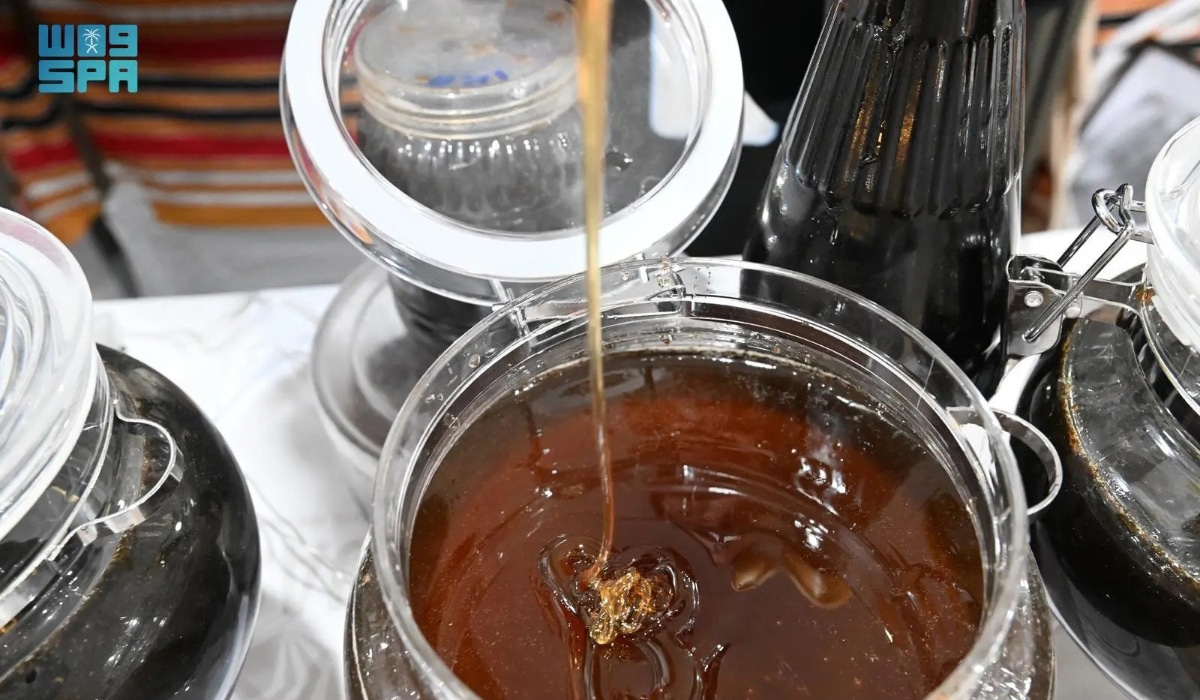
Al-Aydabi, Saudi Arabia — Sales at the Jazan Honey Exhibition surpassed 1 million SAR during the first four days of the event, underscoring rising consumer confidence in locally produced honey and the growing commercial maturity of the beekeeping sector in the Jazan region. The early sales performance reflects strong visitor turnout and sustained demand for certified local products, according to organizers.
Sulaiman bin Yahya Al-Ghazwani, Executive Director and Vice Chairman of the Jazan Beekeepers Cooperative Society, said the milestone demonstrates trust in the quality and diversity of local honey. He explained that the exhibition functions as a direct marketing channel, enabling beekeepers to reach consumers without intermediaries. As a result, it improves income stability while reinforcing long-term sector sustainability.
The Jazan Honey Exhibition sales results also point to broader structural benefits. Direct sales have strengthened price transparency and increased competitiveness among producers. At the same time, high footfall has raised awareness of regional honey as a regulated agricultural product rather than an informal commodity. Organizers stated that these outcomes align with national goals to improve rural livelihoods and support small-scale agricultural enterprises.
Exhibition supports sustainable beekeeping practices
Beyond commercial activity, the exhibition includes educational and informational booths focused on production standards and market readiness. These sections address modern beekeeping techniques, improved packaging, labeling compliance, and efficient marketing practices. In addition, several displays highlight the nutritional properties of honey and its role in supporting household incomes in rural areas.
According to organizers, the emphasis on education aims to ensure that growth in Jazan Honey Exhibition sales remains aligned with sustainable resource use. Beekeeping in the region depends on seasonal flowering cycles and ecosystem health. Therefore, improved practices are viewed as essential to maintaining production levels without degrading natural forage areas.
The event is being held at the Cultural Center Square in Al-Aydabi Governorate. It brings together 60 beekeepers offering approximately 10 tonnes of honey. Products on display represent around 15 locally produced varieties, including Sidr, Talh, Samrah, Salam, and Majra honey, alongside other seasonal types sourced from the surrounding highlands and valleys.
Local honey market shows continued resilience
Organizers stated that the strong performance of Jazan Honey Exhibition sales reflects steady consumer preference for domestic agricultural products. They added that exhibitions of this kind reduce market volatility for beekeepers by creating predictable sales opportunities. Moreover, they encourage quality differentiation based on origin, floral source, and production method.
While detailed revenue projections for the full exhibition period were not disclosed, officials noted that early results suggest continued momentum. The cooperative plans to use insights from the event to refine future marketing strategies and training programs. In doing so, it aims to strengthen the resilience of the beekeeping sector as a contributor to regional agricultural sustainability.
THE SAUDI STANDARD’S VIEW: Jazan Honey Exhibition Sales Signal Rural Market Maturity
The Jazan Honey Exhibition’s sales surpassing SAR 1 million within its first four days reflects a deeper structural shift in Saudi Arabia’s rural and agricultural economy. Beyond the headline figure, the performance highlights rising consumer confidence in locally produced goods and the growing institutional organization of small-scale producers—an outcome closely aligned with Vision 2030’s rural development and food security objectives.
• Local production gains consumer trust
Strong early sales validate confidence in the quality, traceability, and diversity of Jazan-produced honey. This trust is essential for transitioning agricultural products from informal trade into regulated, value-driven markets.
• Direct-to-market models strengthen incomes
By enabling beekeepers to sell directly to consumers, the exhibition reduces intermediary costs and improves price transparency. This structure supports income stability and reinforces the long-term viability of small agricultural enterprises.
• Sector organization reflects institutional progress
The role played by the Jazan Beekeepers Cooperative Society demonstrates how cooperatives can aggregate production, enforce standards, and enhance market access—key pillars for scaling rural industries.
• Education anchors sustainable growth
The integration of training on production standards, packaging, and marketing ensures that commercial success does not come at the expense of environmental balance. Sustainable beekeeping practices protect ecosystems while safeguarding future yields.
• Regional diversification advances national goals
Hosting the exhibition in Al-Aydabi Governorate underscores a broader strategy of distributing economic activity beyond major urban centers. Such initiatives strengthen regional resilience and broaden participation in growth.
Looking ahead, the momentum behind Jazan Honey Exhibition sales illustrates how structured market platforms can unlock rural value chains. As Saudi Arabia continues to invest in local production, quality assurance, and cooperative models, the Kingdom reinforces its commitment to inclusive growth—where agricultural heritage evolves into a competitive, sustainable contributor to the national economy.
Related Reading