
Saudi Fund for Development backs Thumrait Industrial City
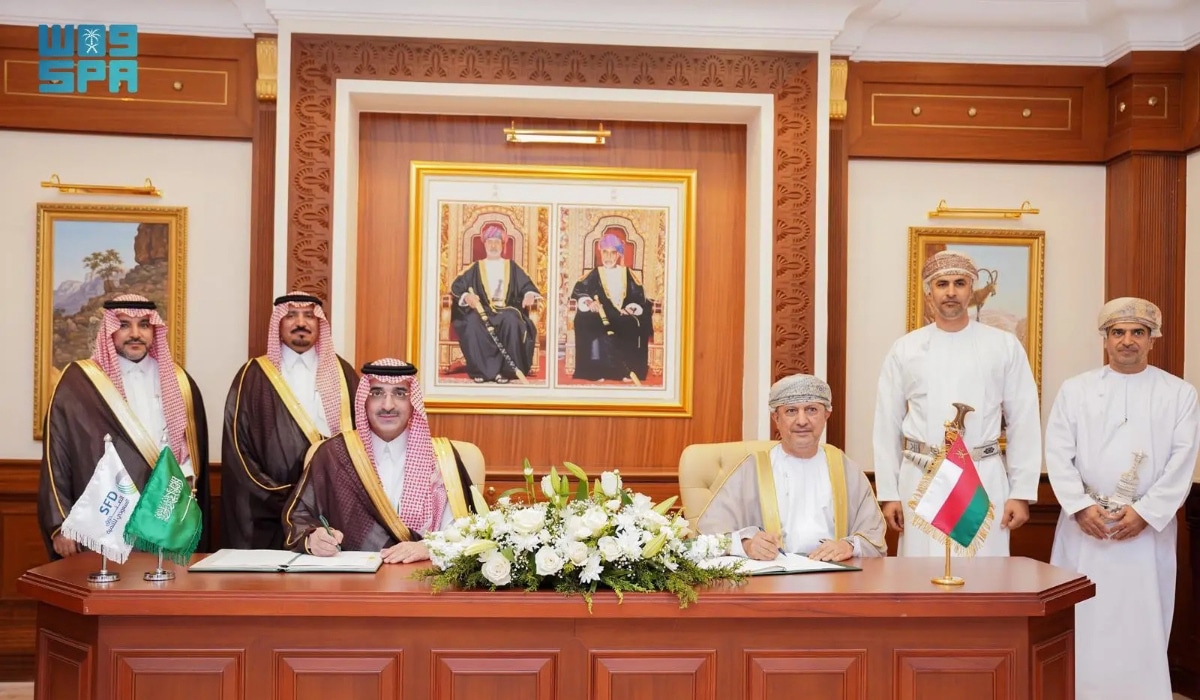
Riyadh, Saudi Arabia — The Saudi Fund for Development Thumrait Industrial City agreement underscores how bilateral development finance is being used to anchor long-term industrial capacity rather than short-term stimulus. On 2 February 2026, the Saudi Fund for Development signed a development memorandum of understanding with the Ministry of Finance of Oman to support the establishment of Thumrait Industrial City in Oman. Financing from the Kingdom of Saudi Arabia, channeled through the Fund, amounts to USD 40 million.
The memorandum was signed by SFD Chief Executive Officer Sultan bin Abdulrahman Al-Marshad and Oman’s Minister of Finance Sultan bin Salim Al-Habsi. The signing took place in the presence of the Custodian of the Two Holy Mosques’ Ambassador to Oman, Ibrahim bin Saad bin Bishan. Additionally, it was attended by officials from both countries. While modest in headline size, the agreement fits a broader pattern of targeted infrastructure funding tied to industrial and logistics ecosystems.
Infrastructure First, Industry Second
The Saudi Fund for Development Thumrait Industrial City initiative focuses on building foundational capacity in Oman’s southern regions. The planned industrial city will cover an estimated 3.94 million square meters in Dhofar Governorate and will be fully equipped with essential infrastructure services. According to the memorandum, the project scope includes administrative and service buildings and public facilities. In addition, it includes internal road works, electrical extensions, water networks, and two wastewater treatment plants, supported by engineering consultancy services.
This sequencing matters. Industrial zones across the Gulf have often struggled when infrastructure lags investor commitments. Here, the emphasis is reversed. By prioritizing utilities, logistics readiness, and governance facilities, the project aims to lower entry barriers for manufacturers and service providers. As a result, the expected developmental impact centers on improving industrial and service capabilities in Dhofar. This focus occurs rather than chasing rapid capacity utilization.
Development Finance as Economic Policy
SFD’s leadership framed the memorandum as part of the Kingdom’s broader development mandate. Al-Marshad said the agreement reflects Saudi Arabia’s efforts, through the Fund, to support development sectors in Oman while strengthening bilateral development partnerships. In practice, that means financing projects with clear spillovers. These include job creation, private sector participation, and regional balance.
For Oman, the appeal is straightforward. Minister Al-Habsi noted that the agreement stems from efforts to strengthen developmental, economic, and investment relations between the two countries and to encourage cross-sector partnerships. Industrial cities such as Thumrait are designed to absorb logistics activity, light manufacturing, and service operations. Therefore, they can diversify regional economies beyond hydrocarbons.
From an investor perspective, the Saudi Fund for Development Thumrait Industrial City project signals a cautious but deliberate approach. Capital is tied to hard assets, governance structures, and long-dated economic utility. That restraint aligns with development finance best practice—and reduces the risk that industrial policy becomes an exercise in underused real estate.
THE SAUDI STANDARD’S VIEW: Saudi Development Finance Anchors Industrial Capacity in Oman
The Saudi Fund for Development’s support for Thumrait Industrial City reflects a disciplined use of development finance to build durable economic infrastructure rather than short-term stimulus. The USD 40 million memorandum of understanding signed with Oman’s Ministry of Finance underscores how Saudi Arabia deploys capital to strengthen regional industrial ecosystems. Additionally, it reinforces long-standing economic ties with the Sultanate.
• Infrastructure-led development signals policy discipline
By prioritizing utilities, transport links, and service facilities before industrial occupancy, the Thumrait Industrial City project reflects a sequencing approach that reduces execution risk. This model anchors private-sector participation in readiness rather than speculation.
• Targeted financing reinforces regional balance
The focus on Dhofar Governorate highlights a commitment to geographically balanced development. Supporting industrial capacity outside primary urban centers strengthens economic resilience and broadens participation in growth.
• Development finance aligned with long-term utility
The Saudi Fund for Development’s approach ties capital to tangible assets—roads, power, water, and wastewater systems—ensuring that financing translates into lasting productive capacity rather than underutilized infrastructure.
• Bilateral partnership moves beyond symbolism
The agreement, signed by the Saudi Fund for Development and Oman’s Ministry of Finance, reflects a practical evolution in Saudi–Omani cooperation, centered on investment enablement and industrial readiness rather than headline announcements.
• Industrial cities positioned as economic multipliers
Thumrait Industrial City is structured to attract manufacturing, logistics, and service activities that generate employment and private investment. This reinforces the role of industrial zones as platforms for diversification rather than isolated real estate projects.
Looking ahead, the Saudi Fund for Development Thumrait Industrial City agreement demonstrates how Saudi Arabia applies development finance as economic policy—measured, infrastructure-first, and partnership-driven. Such initiatives strengthen regional integration. They reinforce Saudi leadership in development cooperation and align with Vision 2030’s outward-looking approach to sustainable growth across the Gulf and beyond.
Related Reading