Riyadh, Saudi Arabia —
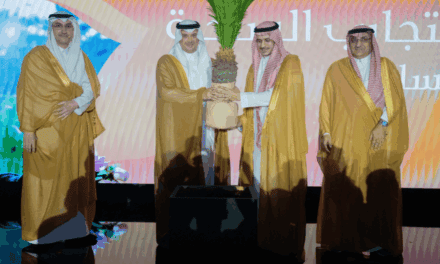
The Association of Narrative Literature and Arts has launched an initiative to publish narrative works by Saudi writers and authors. The move places the written story back at the center of cultural conversation, where it can be read, revised, and judged on its own terms.
The announcement matters because publication is never only about printing pages. It is also about access, visibility, and the slow work of building a record. In that sense, the initiative speaks to a broader cultural need. It offers writers a path from private draft to public life, and it gives readers more chances to encounter Saudi narratives in forms that can endure.
Why publication still matters
Saudi cultural life has grown more visible in recent years, yet the mechanics of literary circulation still matter. When an association commits itself to publication, it does more than celebrate writing. It helps create an infrastructure around it. That can mean editorial care, selection, and a clearer route for work that might otherwise remain unseen.
For narrative writers, this kind of initiative can also sharpen the relationship between language and audience. A story changes when it meets readers. It gains friction, context, and sometimes disagreement. That exchange is part of literature’s value. It keeps the work alive after the first draft ends.
A wider literary frame
The initiative also fits within a larger cultural moment in which Saudi writers are finding more platforms for expression. However, the significance of any publishing effort rests on the quality of the works it brings forward. The real measure will come later, in the pages themselves, and in how steadily the initiative supports authors over time.
Still, the launch signals a belief that narrative writing deserves institutional attention. That belief is important. It treats fiction and other narrative forms not as side projects, but as part of the country’s cultural memory in the making. If the initiative succeeds, it will not simply add titles to shelves. It will help shape the archive of how Saudis tell their stories now.
THE SAUDI STANDARD’S VIEW: BUILDING A STRONGER LITERARY ECOSYSTEM
The Saudi Standard views this initiative as a constructive step in deepening the Kingdom’s cultural ecosystem. A serious publishing pathway for narrative work does more than elevate individual writers; it strengthens the institutions through which Saudi creativity is preserved, tested, and carried forward. In a nation broadening its cultural base, that kind of structure matters.
• CULTURAL INFRASTRUCTURE IS AS IMPORTANT AS EXPRESSION
Creative output gains lasting value when it is matched by the systems that help it reach readers. Publishing, editing, and curation are not peripheral functions; they are the practical foundations of a mature literary environment. Initiatives of this kind help turn cultural ambition into a working framework.
• NARRATIVE WRITING SHAPES NATIONAL MEMORY
Stories do more than entertain. They record how a society sees itself at a particular moment, and they preserve language, experience, and perspective in forms that remain useful over time. Supporting Saudi narrative writing is therefore also an investment in the cultural record of the Kingdom.
• READER ENGAGEMENT GIVES LITERATURE ITS FULL MEANING
Literature reaches its highest purpose when it moves from the private act of writing into public reading and discussion. By creating a clearer path from author to audience, the initiative encourages the exchange that gives narrative work depth, relevance, and continuity.
• INSTITUTIONAL SUPPORT SIGNALS LONG-TERM SERIOUSNESS
Cultural development is strongest when it is steady rather than symbolic. An association that commits to publication is helping normalize the idea that literature deserves sustained attention, not occasional recognition. That is how cultural sectors mature: through repeated, reliable support for talent and output.
From The Saudi Standard’s perspective, this initiative aligns well with Vision 2030’s broader emphasis on cultural enrichment, creative industries, and the expansion of Saudi soft power. A confident national culture is one that writes, publishes, and preserves its own narratives with discipline and continuity. This is the kind of foundation that supports that goal.