
WARM Shipping Service Boosts Jeddah Islamic Port Trade
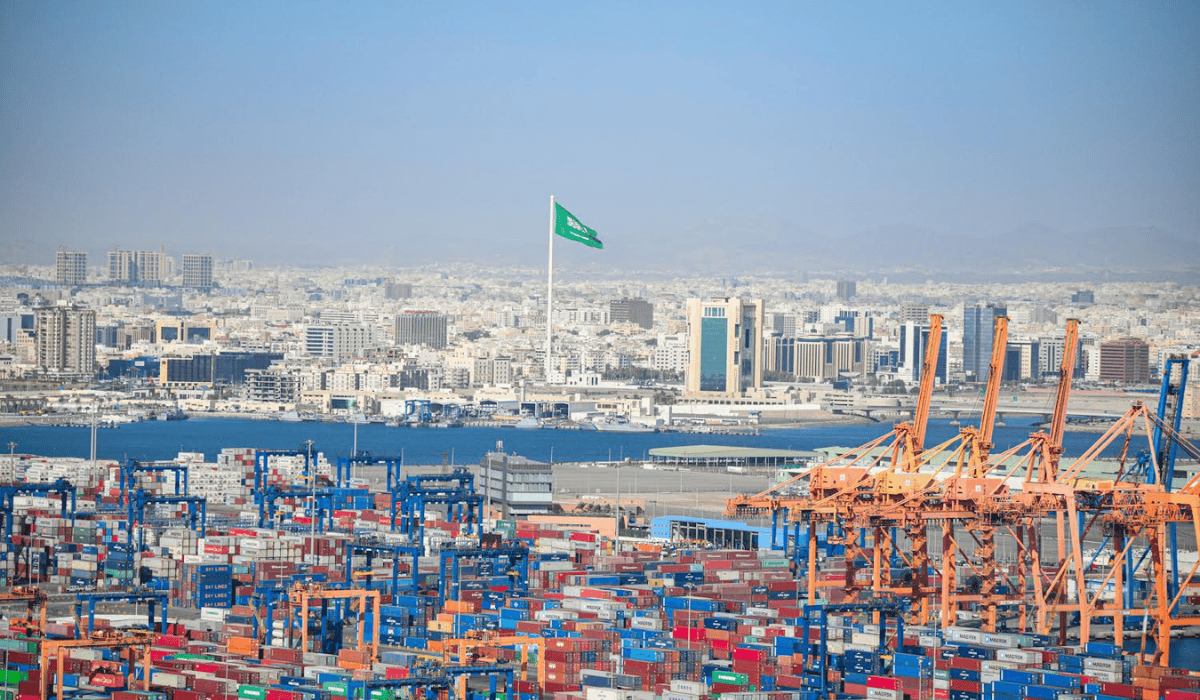
New WARM Shipping Service Strengthens Jeddah Islamic Port’s Global Links
Jeddah, Saudi Arabia — The General Authority for Ports (Mawani) has added the new WARM shipping service by SeaLead to Jeddah Islamic Port. This move boosts Saudi Arabia’s maritime links. It connects the port with Nhava Sheva and Mundra in India and Alexandria in Egypt. As a result, trade corridors across the Red Sea and Indian Ocean will grow stronger.
The WARM shipping service supports Saudi Arabia’s export goals. It also aligns with the National Transport and Logistics Strategy. With a 600 TEU handling capacity, the SeaLead WARM route strengthens the Kingdom’s position as a regional logistics hub. It links Asia, Africa, and Europe.
WARM Shipping Expands Jeddah Islamic Port Reach
Jeddah Islamic Port is a vital part of Saudi Arabia’s logistics system. It has four terminals and 62 multipurpose berths. The port handles up to 130 million tons of cargo each year. Its location and infrastructure give it a key role in global shipping and support the operations of services like the WARM container line.
Mawani continues to improve the Kingdom’s logistics ranking. These efforts include new shipping routes, such as the SeaLead WARM service, better terminal operations, and innovative technology upgrades.
With the WARM maritime service now live, the port can attract more regional trade. It also helps Jeddah Islamic Port grow as a top logistics hub under Vision 2030.
The Saudi Standard’s View: Targeted Routes for Broader Reach
The WARM shipping service reflects a shift in Saudi logistics—from extensive, centralized infrastructure toward nimble, trade-specific connectivity. By launching focused maritime corridors like the SeaLead WARM route, Saudi Arabia can serve more regional markets while easing pressure on major trade hubs.
This move also signals a maturing logistics strategy: one that balances megaprojects with tactical route additions. It offers new lanes for small and mid-sized businesses to access export flows and integrate into global trade systems. These incremental, targeted connections strengthen the country’s logistics web—one that’s built not just for scale but for flexibility and inclusion.