
Oil prices June 19 dip amid Trump ambiguity on Iran
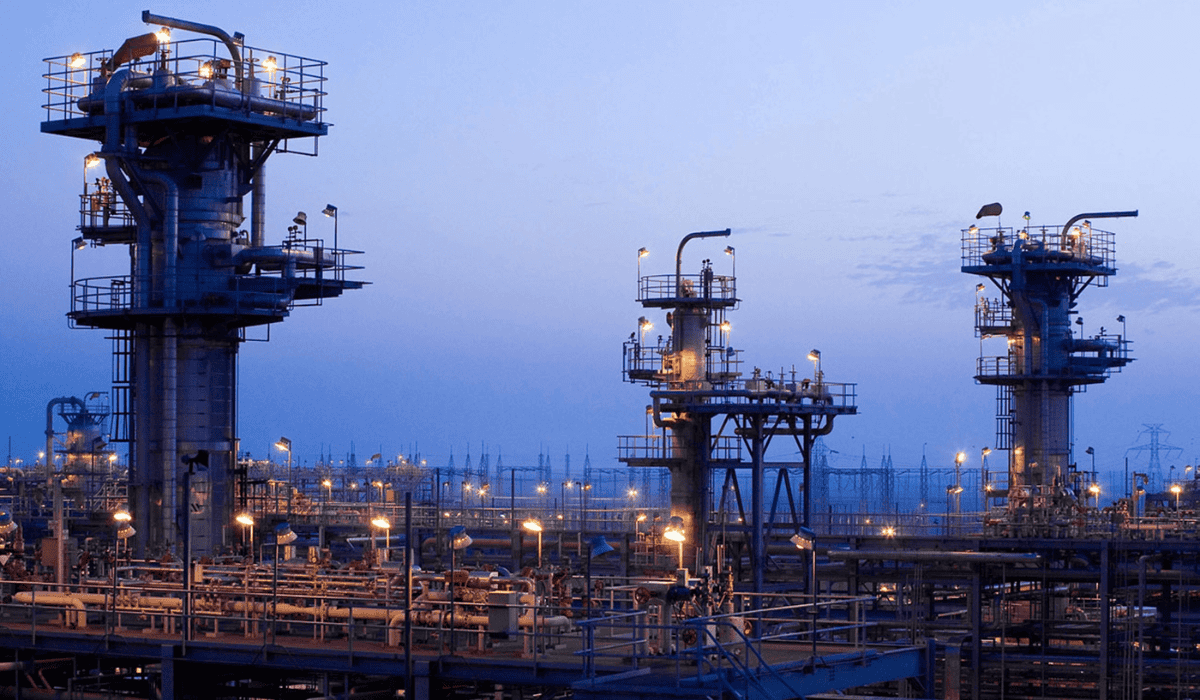
Dhahran, Saudi Arabia — Oil prices June 19 fell as traders paused amid mixed signals from former U.S. President Donald Trump over potential American military involvement in the intensifying Israel-Iran conflict.
As of 01:10 GMT, Brent crude futures were down 37 cents, or 0.48%, to $76.33 a barrel, following a 0.3% gain in a volatile prior session. West Texas Intermediate (WTI) July futures dropped 28 cents, or 0.37%, to $74.86. The more liquid August contract declined 21 cents, or 0.29%, settling at $73.29.
Oil prices June 19 impacted by Middle East tensions
The Israel-Iran conflict, now entering its seventh day, has raised fears of broader regional instability. Trump’s refusal to clarify whether the United States would participate in military action contributed to investor uncertainty. Market analyst Tony Sycamore stated that direct U.S. involvement could push oil prices up by $5 per barrel. At the same time, diplomatic resolutions might trigger a similar decline.
Iran, OPEC’s third-largest producer, exports around 3.3 million barrels per day. Analysts warn that a regional escalation could endanger key infrastructure and trade routes, particularly the Strait of Hormuz, through which roughly 19 million barrels of crude and petroleum products transit daily.
Federal Reserve rate decision and oil futures outlook
In a separate development, the U.S. Federal Reserve held interest rates steady on Wednesday. However, policymakers projected two rate cuts before the end of the year, signaling a possible shift to stimulate economic growth. Lower interest rates could enhance oil demand but also introduce inflationary pressures.
The Saudi Standard’s View: Strategic Ambiguity Raises Energy Risk
Geopolitical uncertainty remains a key driver of volatility in global oil markets. The ongoing conflict between Israel and Iran has highlighted the sensitivity of prices to regional developments, especially in the absence of clear signals from major stakeholders.
Recent declines in Brent and WTI prices reflect a market cautiously assessing the probability of further escalation. The proximity of conflict zones to key energy infrastructure and shipping routes, particularly the Strait of Hormuz, introduces an additional layer of operational risk that cannot be overlooked. Around 19 million barrels of oil pass through the strait each day, making it a central chokepoint for global supply.
For regional producers and global traders alike, the episode reinforces the importance of resilience in logistics and transparency in market signals. While price shifts remain moderate for now, the potential for disruption underscores the critical role of stability in maintaining reliable energy flows.
Related: Stay informed with expert coverage on global oil market developments in our Energy section
Explore: In-depth reporting on geopolitical risks shaping the Oil & Gas sector