
Abha Airport Eases Honey and Ghee Shipping for Travelers
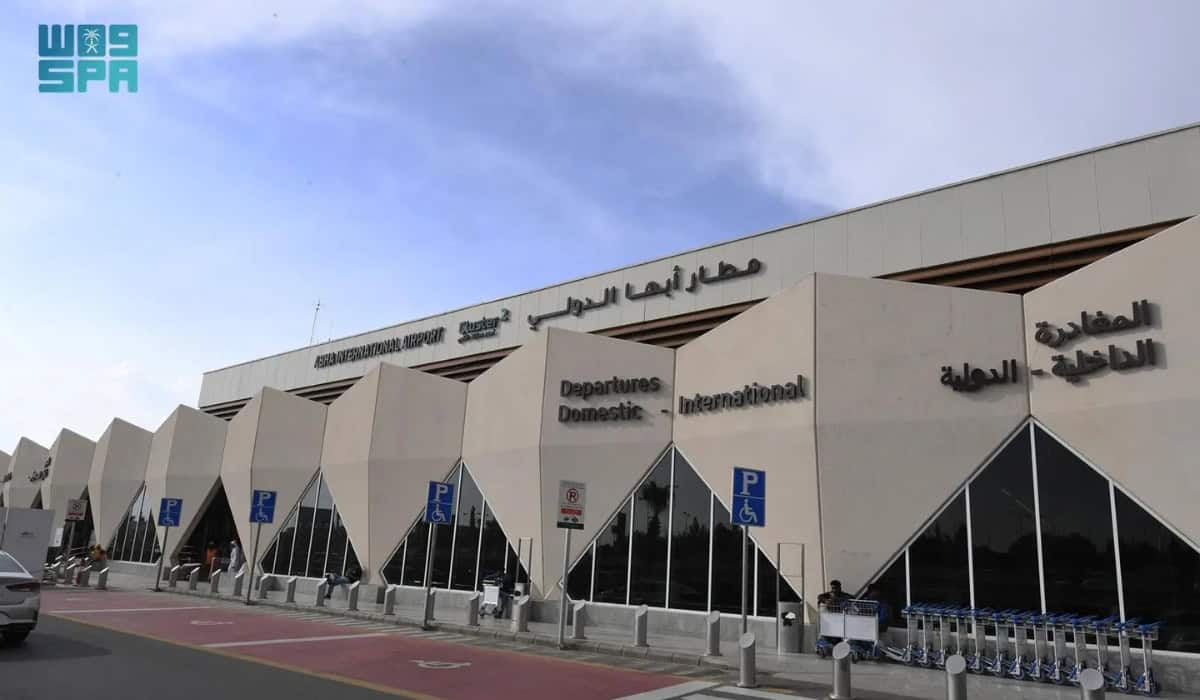
Abha, Saudi Arabia — In a move to strengthen local commerce and improve logistics, the Aseer Region Development Authority has partnered with the Second Airport Cluster to introduce a new mechanism for transporting ghee and honey through Abha International Airport. These products can now be included in checked baggage under updated policies, coordinated directly with the airport operator.
This announcement follows directives from His Royal Highness Prince Turki bin Talal bin Abdulaziz, Governor of Aseer Region and Chairman of the Development Authority. The General Authority of Civil Aviation also supports the initiative. Together, they aim to integrate Abha Airport product shipping into national trade and logistics networks across the Kingdom.
Empowering Local Producers and Expanding Market Reach
Aseer is known for its high-quality natural honey and traditional ghee, staples of Saudi culinary culture. These products have become regional symbols and are popular with tourists. Therefore, by simplifying the shipping process, the new policy supports small producers and home-based entrepreneurs.
Officials noted that this update will ease the transport of local goods during travel. It will also improve competitiveness and help boost regional exports. Moreover, the initiative promotes sustainable development by empowering communities and growing tourism-driven trade.
This policy change aligns with national goals to strengthen Saudi Arabia’s airport logistics sector. It also increases the global reach of local goods and supports Vision 2030’s plan to diversify the economy.
THE SAUDI STANDARD’S VIEW: Abha Airport Reform Connects Heritage Products to National and Global Markets
The inclusion of ghee and honey in the checked baggage allowance at Abha International Airport is a strategic move. It unlocks Aseer’s economic and cultural potential. Directed by HRH Prince Turki bin Talal and supported by the General Authority of Civil Aviation, the initiative shows how logistics reform can drive regional growth and integration.
- Empowering Producers and Home-Based Entrepreneurs: This reform removes logistical barriers that often limit small businesses. As a result, it gives home-based producers better access to wider markets. The policy aligns with Vision 2030’s goal of supporting entrepreneurship and increasing household income.
- Integrating Heritage with Market Access: Ghee and honey are more than products—they represent Aseer’s culture and culinary identity. Regulated air transport helps preserve their authenticity while expanding commercial reach.
- Linking Production to Tourism and Trade Ecosystems: The new policy connects local goods to both the domestic tourism economy and national distribution systems. In turn, it fulfills a key Vision 2030 goal: scaling regional strengths to serve the national economy.
- Aviation Policy as a Tool for Regional Equity: This reform highlights how aviation policy can do more than move people. It can also boost rural trade, support small producers, and spread opportunity across the Kingdom.
In conclusion, the Aseer Region Development Authority’s Abha Airport product shipping initiative shows how local reforms can drive national progress. By turning a logistical update into an economic catalyst, the Kingdom reinforces its commitment to inclusive growth and region-driven transformation.