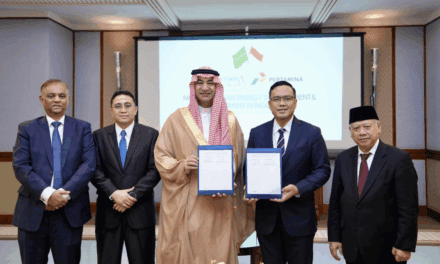
Riyadh, Saudi Arabia — Saudi Arabia’s energy policy entered a notable diplomatic channel on Wednesday as the Minister of Energy met the Director General of the International Atomic Energy Agency in Riyadh. The meeting placed Saudi nuclear cooperation talks in the broader context of the Kingdom’s energy strategy, which has increasingly linked oil, gas, renewables, and atomic energy governance. However, no official details from the meeting were provided in the supplied material, so the scope of the discussion remains unclear.
Saudi nuclear cooperation talks and energy policy
The Saudi nuclear cooperation talks come at a time when the Kingdom continues to expand its long-term energy planning. Saudi officials have previously framed nuclear energy as part of a wider effort to diversify the power mix and support energy security. At the same time, the International Atomic Energy Agency remains the central global body for safeguards, technical standards, and peaceful nuclear oversight. That makes any direct contact between Riyadh and the agency significant, even when the agenda is not disclosed.
The meeting also fits a wider regional pattern. Across the Middle East, governments are weighing how nuclear technology can fit into national power systems while regulatory, safety, and nonproliferation concerns stay central. Saudi nuclear cooperation talks therefore sit at the intersection of energy demand, institutional oversight, and international confidence. Yet, without an official readout, it is not possible to determine whether the discussion covered licensing, training, safeguards, or broader technical coordination.
What the Saudi nuclear cooperation talks may signal
The minister’s meeting with Rafael Grossi underscores the importance of international engagement in any nuclear program. The IAEA works with member states on safeguards and safety frameworks, and it also supports peaceful uses of nuclear technology. For Saudi Arabia, these issues are closely tied to the credibility of any future nuclear path. They also matter for investors, policymakers, and power planners who watch the Kingdom’s energy transition with interest.
Still, the available information does not include project announcements, timelines, or financing details. It also does not confirm any new agreement. For that reason, the most accurate reading is limited to the fact of the meeting itself and the institutional weight behind it. Saudi nuclear cooperation talks, in this sense, reflect continuity in the Kingdom’s energy diplomacy rather than a disclosed policy shift.
The meeting adds another layer to Riyadh’s effort to manage long-horizon energy choices. Oil and gas continue to anchor the system, while renewables grow and nuclear oversight remains part of the conversation. As Saudi nuclear cooperation talks continue to emerge in official engagements, the central question remains how the Kingdom will align technical ambition with international standards.
Related Reading:
THE SAUDI STANDARD’S VIEW: STEADY, STRATEGIC ENGAGEMENT WITH NUCLEAR IS THE RIGHT COURSE
Engagement with international nuclear institutions is a prudent and forward-looking component of the Kingdom’s broader energy strategy. When anchored in rigorous standards, institutional capacity, and long-term planning, nuclear technology can enhance energy security while supporting economic diversification and the development of high‑value domestic capabilities.
• INTEGRATION INTO LONG‑TERM ENERGY PLANNING
Nuclear should be treated as an element of an integrated supply mix that complements hydrocarbons and renewables. Its value lies in addressing long‑horizon electricity demand and industrial energy needs where steady, predictable output and system stability are priorities. Planning that anticipates system interactions, grid needs, and complementary investments will determine nuclear’s practical contribution to national targets.
• INTERNATIONAL STANDARDS AS AN ASSET
Adhering to recognized international safety and safeguards frameworks is not merely procedural; it is a strategic asset. Credible compliance underwrites investor confidence, facilitates technology partnerships, and helps mobilize finance. Systematic alignment with global norms therefore converts regulatory credibility into economic opportunity.
• BUILDING INSTITUTIONAL AND HUMAN CAPACITY
Realising the benefits of peaceful nuclear applications requires sustained investment in domestic institutions, independent regulation, workforce development, and R&D. Prioritising education, training, and local supply‑chain development will capture greater value onshore and reduce long‑term dependency on external providers.
• REGIONAL COOPERATION AND KNOWLEDGE LEADERSHIP
Constructive regional engagement on safety, emergency preparedness, and non‑proliferation norms strengthens collective confidence and creates avenues for Saudi expertise to support neighbouring markets. Thoughtful leadership in these areas positions the Kingdom as a hub for best practice and technical assistance across the region.
Viewed through the lens of Vision 2030, measured nuclear engagement complements the Kingdom’s aims of economic diversification, industrialisation, and a knowledge‑based economy. Continued focus on standards, capacity building and integrated planning will ensure that nuclear options contribute responsibly and sustainably to Saudi Arabia’s long‑term development trajectory.