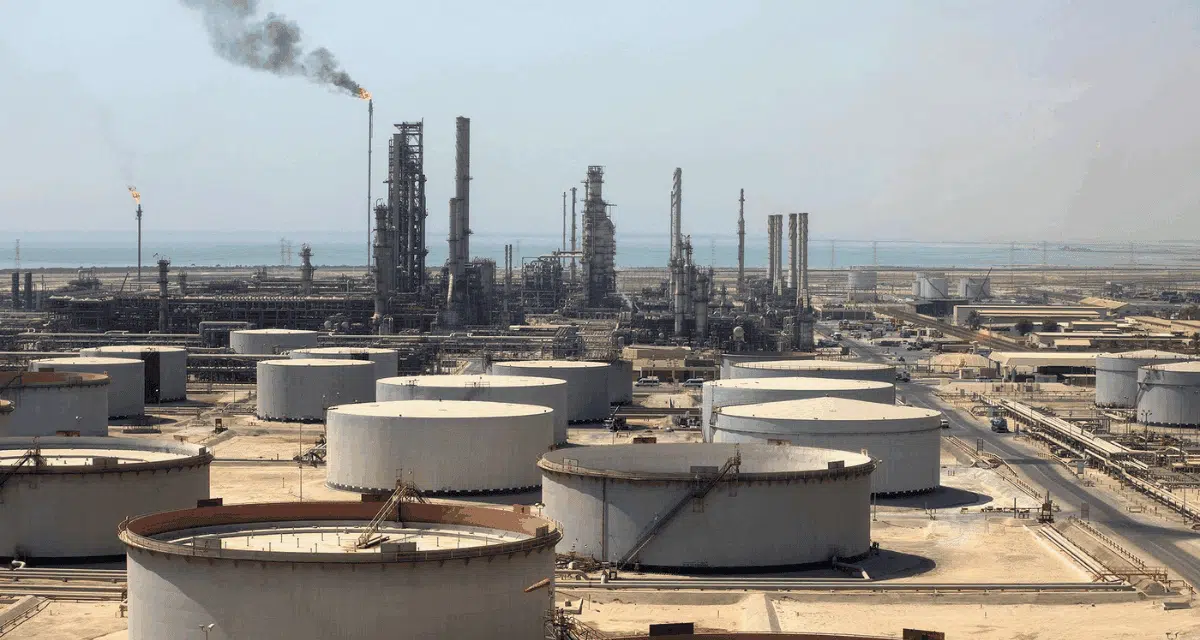
Riyadh, Saudi Arabia — Oil prices Iran Israel conflict continues to drive global markets. Brent futures surged to $76.64 per barrel amid ongoing Middle East tensions. U.S. WTI also climbed to $75.07, reflecting market worries over supply security and shipping route disruptions.
This latest spike further reinforces how oil prices Iran Israel conflict dynamics continue to dominate market sentiment amid geopolitical and monetary uncertainty.
Strait of Hormuz Oil Risk Intensifies Amid Conflict
Analysts caution that tanker collisions near the Strait of Hormuz, along with warnings of navigation system interference, heighten the risk of oil disruption in the Strait of Hormuz. This chokepoint accounts for roughly 20% of global maritime oil shipments. It is a focal point for concerns about supply disruptions.
Iran Oil Exports Impacted by Conflict
Iran’s oil exports—approximately 3.3 million barrels a day—remain under scrutiny as the conflict escalates. As a major OPEC supplier, any production disruptions could lead to tighter global oil availability.
U.S. Interest Rate Policy Enters the Mix
Markets also track U.S. interest rate policy, with the Fed expected to hold rates at 4.25–4.50%. Analysts suggest that Middle East volatility may prompt the Fed to consider a July rate cut, potentially bolstering oil demand.
The Saudi Standard’s View: Oil Price Surge Shows Persistent Geopolitical Vulnerability
The continued rise in oil prices on day six of the Iran‑Israel conflict as a stark reminder. Geopolitical instability remains a major disruptor for global energy markets. Firstly, this ongoing surge highlights the fragility of supply chains. This is especially true when key shipping lanes, such as the Strait of Hormuz, become flashpoints.
Additionally, the combination of rising oil costs and shifting U.S. interest rate expectations injects further volatility into the market. Policymakers and investors must now navigate a delicate balance between energy security and economic stability.
Sustained price shocks of this nature reinforce the need for diversified energy sourcing and robust strategic reserves. Ultimately, the Saudi Standard believes this situation should prompt global energy stakeholders to strengthen contingency planning. They should also adapt swiftly to evolving regional dynamics.