
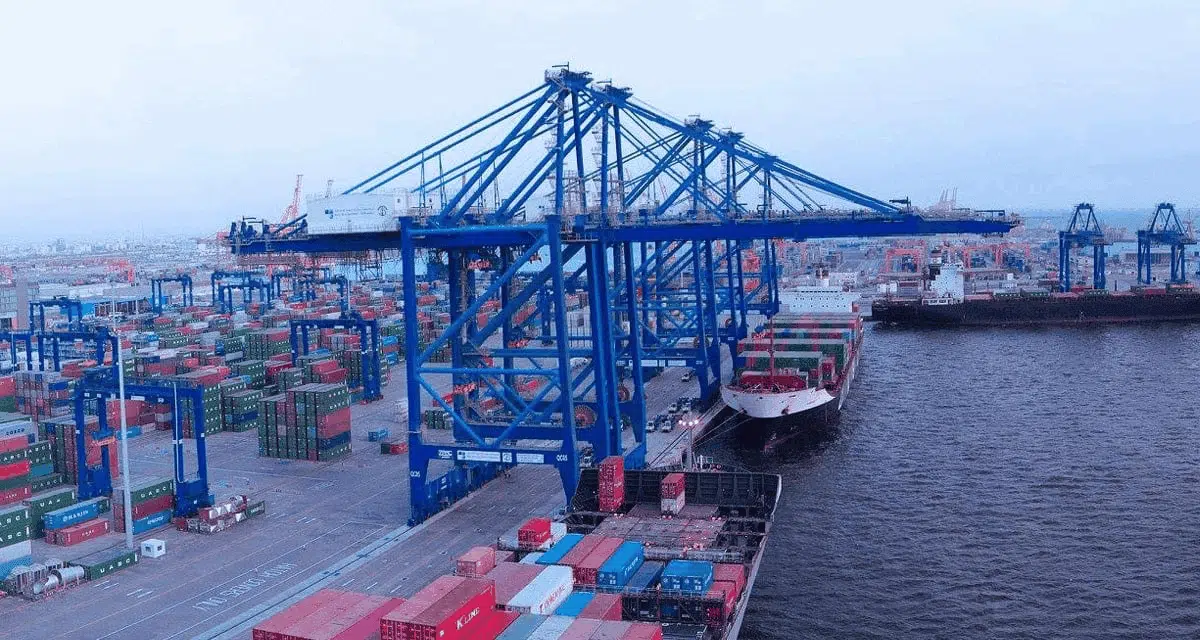
Riyadh, Saudi Arabia — The latest trade figures show strong momentum for Saudi non-oil exports in April 2025, even as lower oil sales narrowed the Kingdom’s overall trade surplus.
According to the General Authority for Statistics, non-oil exports, including re-exports, increased by 24.6% year-on-year. Re-exported goods surged by 72%, while national non-oil exports—excluding re-exports—rose by 6.8%.
Despite this growth, total merchandise exports fell by 10.9% in April 2025. Oil exports declined by 21.2%, lowering their share of total exports from 77.5% to 68.6%.
Saudi Non-Oil Exports April 2025: Trade Balance and Key Sectors
Saudi Arabia’s imports rose by 18.3%, leading to a sharp 61.7% decline in the trade surplus compared to April 2024. However, the coverage ratio of non-oil exports to imports improved to 37.2%, up from 35.4% a year earlier.
Top Non-Oil Export Sectors:
- Plastics, rubber, and related products: 21.7% of non-oil exports, up 4%
- Chemical industry products: 21% of non-oil exports, up 2.3%
Key Imports:
- Machinery, electrical appliances, and parts: 27.7% of total imports, up 25.4%
- Transport equipment and parts: 17.2% of imports, up 64.5%
Global Trade Partners and Import Hubs
Top Export Markets:
- China: 12.6% of exports
- Japan: 10.1%
- UAE: 9.8%
- Other key partners include India, South Korea, the US, Egypt, Malta, Poland, and Bahrain
Top Import Sources:
- China: 25% of imports
- US: 7.5%
- UAE: 6.8%
- Additional major suppliers include India, Germany, Japan, Italy, Switzerland, the UK, and France
Main Customs Ports for Imports:
- King Abdulaziz Port, Dammam: 26%
- Jeddah Islamic Port: 20.4%
- King Khalid International Airport, Riyadh: 13.9%
- King Abdulaziz International Airport, Jeddah: 12.6%
- King Fahd International Airport, Dammam: 5.7%
These five ports handled 78.6% of total imports in April 2025.
The Saudi Standard’s View: Trade Trends Signal Non-Oil Growth Despite Surplus Pressure
The latest Saudi non-oil exports data for April 2025 show progress toward economic diversification. The sharp rise in re-exports, coupled with steady gains in national non-oil exports, reflects growing resilience in the trade sector beyond hydrocarbons.
The 21.2% decline in oil exports contributed to the trade surplus shrinking by over 60%. Yet, non-oil trade growth and improving coverage ratios point to structural shifts in Saudi Arabia’s external trade.
The import surge, especially in transport equipment and machinery, suggests robust demand linked to infrastructure projects and Vision 2030 initiatives.
As global energy markets fluctuate, Saudi Arabia’s ability to expand non-oil exports, tap into diverse trade partners, and strengthen logistics infrastructure will remain vital to sustaining trade performance.
Explore Saudi investment trends and trade performance
Learn more about Saudi non-oil trade growth and global partnerships shaping the Kingdom’s economy.


