Jeddah, Saudi Arabia — The newly launched House of Islamic Arts museum in Jeddah is the first in the Kingdom dedicated solely to Islamic art and heritage. Located in Jeddah Park, the museum offers a unique glimpse into centuries of Islamic civilization. It showcases over 1,000 artifacts that span from the Prophetic era to the Ottoman period.
Designed with six thematic galleries, the museum immerses visitors in different facets of Islamic artistic and cultural development. Each gallery tells a distinct story while contributing to a broader understanding of Islamic heritage.
Jeddah’s Newest Cultural Destination
Gallery 1 explores the evolution of Islamic ceramics and glasswork from the 1st to the 10th century AH. Notably, it highlights how Muslim artisans transformed an early human craft into a sophisticated form of artistic expression.
Gallery 2 focuses on Islamic metalwork created between the 1st and 13th century AH. It features intricately designed utensils and decorative items that reflect the period’s craftsmanship.
Gallery 3 presents 500 coins spanning multiple centuries. Among the highlights is a coin inscribed with “Najd,” minted under the directive of King Abdulaziz Al Saud as part of Saudi Arabia’s national currency reform.
Gallery 4 illustrates the influence of Islamic art on global civilizations. Through diplomatic gifts and ornamental items, visitors see how the Islamic aesthetic reached Europe and inspired cross-cultural appreciation.
Gallery 5 displays Quranic manuscripts and various styles of Arabic calligraphy. Additionally, it features wooden teaching panels used for Quran memorization in traditional Islamic education.
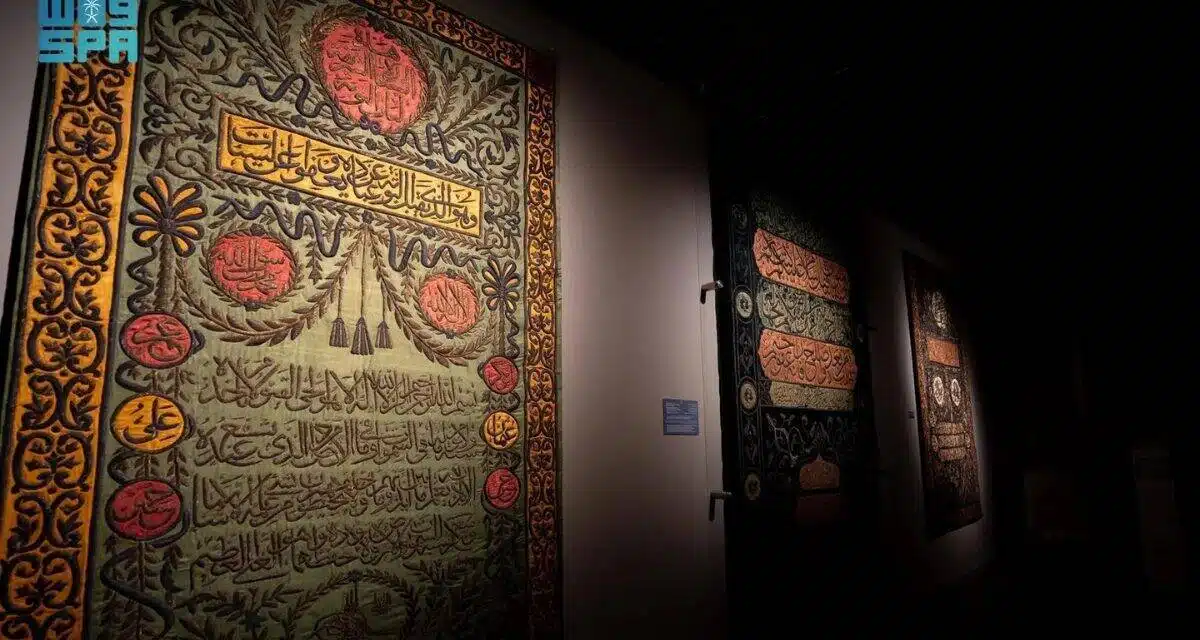
Gallery 6 focuses on textiles, showcasing fragments of the Kaaba’s Kiswa and a Shami Door curtain from Ottoman-era Madinah. These items emphasize both religious significance and artistic mastery.
House of Islamic Arts Preserves a Shared Heritage
The museum tour concludes in a serene library housing rare Arabic and English texts. These books document the intellectual legacy of prominent Muslim scholars and expand the museum’s educational mission.
Through its careful design and rich curation, the House of Islamic Arts supports broader Saudi museum development objectives. It not only preserves Islamic heritage but also encourages public engagement, learning, and cultural dialogue—all key goals of Vision 2030.
The Saudi Standard’s View: A Museum Rooted in Faith, Built for the Future
The House of Islamic Arts museum is more than a collection of objects—it is a living dialogue between the past and the present. Through thoughtful curation, it reveals the enduring influence of Islamic aesthetics in faith, diplomacy, and education. As Saudi Arabia continues to invest in cultural infrastructure, this museum represents a milestone. It raises the standard for how the Kingdom preserves and shares its heritage. Rooted in faith and history, it invites future generations to explore not just what Muslims created, but why.
Explore more of Saudi Arabia’s vibrant cultural destinations