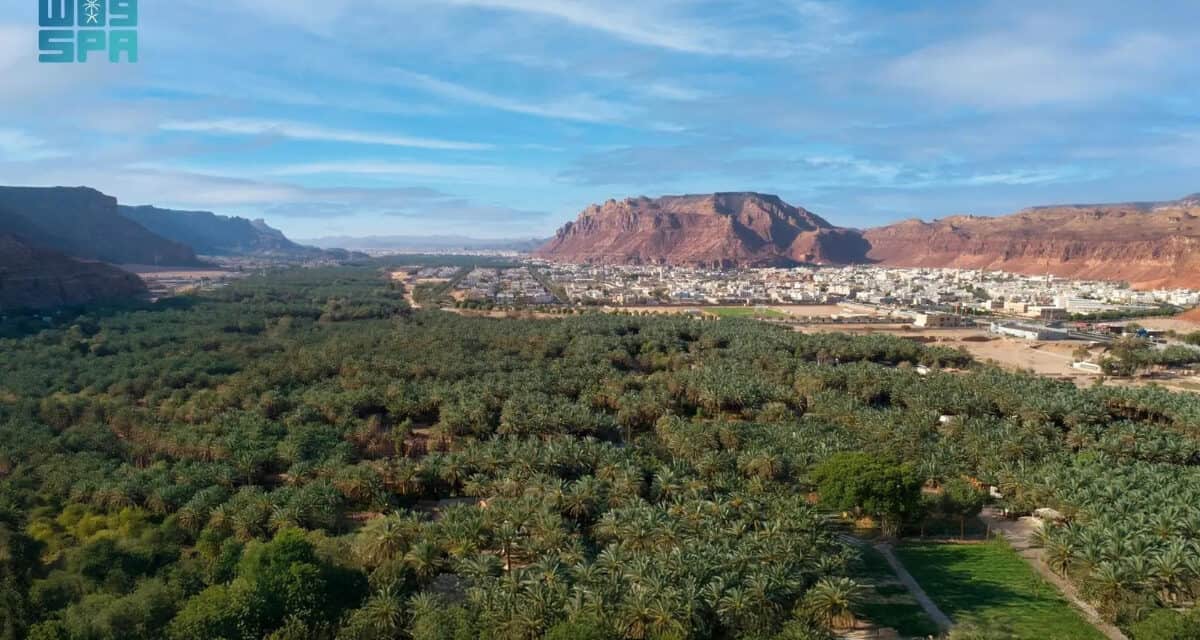
SPA — The Royal Commission for AlUla is launching the much-anticipated AlUla’s Bounty festival with a seven-day Summer Fruit Festival beginning July 22 at the Al-Munshiyeh Farmers’ Market. The event celebrates AlUla’s agricultural heritage and promotes sustainable rural growth through local produce and eco-tourism.
The festival will spotlight fruits such as mangoes, figs, grapes, citrus, Bergrina, and the well-known AlUla honey. It supports more than 5,000 farms across the region. AlUla’s mango orchards cover over 125,000 hectares and yield 1,125 tons of high-quality varieties like “Zubda” and “Sinara.” Additionally, orchards growing figs, grapes, and pomegranates produce another 3,141 tons from 348 hectares.
A Convergence of Heritage, Economy, and Sustainability
The AlUla’s Bounty festival bridges traditional farming with modern sustainability goals. The Royal Commission has made agriculture a core part of AlUla’s development strategy. This approach supports rural jobs, enhances food security, and improves the visitor experience.
Local farmers and home-based producers will showcase seasonal harvests at market booths. Visitors can also enjoy culinary activities and learn about traditional farming methods that strengthen AlUla’s agricultural resilience.
By connecting historic agricultural practices with today’s economic aims, the festival helps position AlUla as a vibrant rural economy. As tourism grows, such events reinforce AlUla’s identity as both a cultural and farming destination.
THE SAUDI STANDARD’S VIEW: AlUla’s Bounty Celebrates a Fruitful Fusion of Heritage and Opportunity
The launch of AlUla’s Bounty festival and its Summer Fruit Festival illustrates how agricultural heritage can evolve into cultural and economic value. As Saudi Arabia transforms its rural areas under Vision 2030, AlUla is a national example of blending farming, heritage, and tourism.
- With more than 50,000 fruit trees and harvests exceeding 4,000 tons, AlUla has become a dynamic agricultural center. Its orchards of mangoes, figs, grapes, and pomegranates highlight ecological variety and economic potential.
- The Royal Commission’s efforts to align agriculture with tourism and community goals support Vision 2030. Seasonal events like this give farmers new markets while promoting AlUla as a sustainable travel destination.
- Celebrating Bergrina and AlUla honey emphasizes Saudi Arabia’s focus on biodiversity and local knowledge. These products broaden national interest in heritage crops and unique regional offerings.
- Interactive features—including food tastings, producer booths, and immersive programs—link tradition with today’s consumer habits. This builds community pride and deepens visitor engagement.
AlUla’s Bounty is more than a fruit celebration. It shows how Saudi Arabia can generate long-term value from its landscapes. As Vision 2030 advances, AlUla’s model of farm-based tourism may inspire rural renewal throughout the Kingdom.
Related Reading