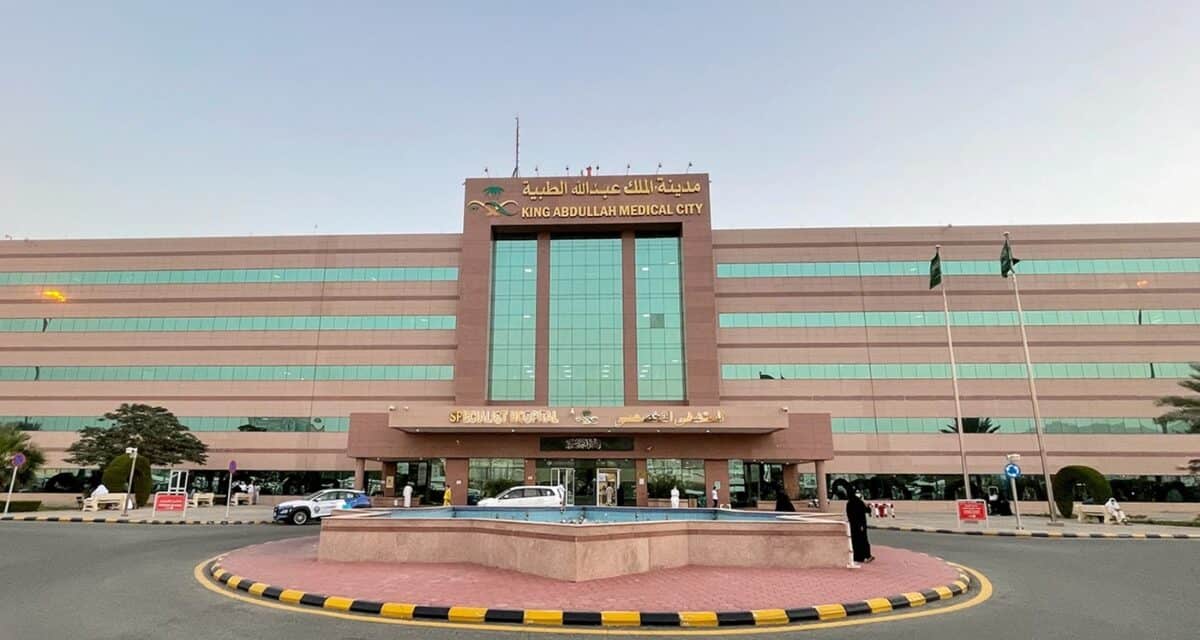
Makkah, Saudi Arabia — King Abdullah Medical City pharmacy, part of the Makkah Health Cluster, dispensed over 851,634 prescriptions during the first half of 2025. It also fulfilled more than 35,515 free home deliveries, helping patients avoid in-person visits and improving convenience.
Enhancing Saudi Healthcare Delivery Through Digital and On-Site Services
The data highlights prescriptions across different care areas. Outpatient clinics accounted for 180,372, oncology and chemotherapy units for 85,369, and inpatient hospital pharmacies for 585,893. These figures show both the scale and efficiency of pharmaceutical services in Makkah.
The home delivery service supports the city’s focus on patient-centered care. Of the 35,515 total deliveries, 25,461 went to patients in Makkah, while 10,054 reached others across the Kingdom. The program is free, allowing eligible patients to request refills online. Certified shipping agents then deliver the medication directly to their homes.
Free Home Delivery Service Boosts Outpatient Sup port and Digital Access
This program highlights the growing role of home delivery in improving healthcare. By utilizing digital tools and logistics, the system minimizes travel, particularly for patients with chronic conditions or limited mobility.
Moreover, it reflects broader trends in digital healthcare in Saudi Arabia. It supports Vision 2030 goals to expand outpatient services, digitize access, and improve system efficiency.
King Abdullah Medical City pharmacy continues to play a key role within the Makkah Health Cluster. It combines digital tools, patient-focused services, and strong logistics to meet rising healthcare needs in Makkah and beyond.
THE SAUDI STANDARD’S VIEW: King Abdullah Medical City Pharmacy Exemplifies Saudi Healthcare Innovation and Accessibility
Dispensing over 851,000 prescriptions—including 35,000 home deliveries—shows how King Abdullah Medical City pharmacy is advancing Saudi healthcare logistics. This progress supports Vision 2030 by improving digital services, boosting efficiency, and making essential medicines more accessible across regions.
- Pharmacy Capacity Reflects Scaled Infrastructure and Specialization: The split across outpatient, oncology, and inpatient units proves the city’s ability to meet complex care needs. This is especially important during high-demand seasons, such as Hajj and the Umrah pilgrimage.
- Home Delivery Model Enhances Patient Experience and System Efficiency: Free medication delivery reduces physical visits and clinic crowding. It ensures continued care for patients with chronic conditions, the elderly, and those living outside Makkah.
- Technology-Driven Access Aligns with Digital Health Goals: The simple online refill system demonstrates how health IT is now an integral part of everyday care. It supports Vision 2030’s Health Sector Transformation by enhancing e-health and prioritizing patient care.
- Healthcare Equity Across Urban and Remote Areas: With more than 10,000 deliveries made outside the city, the program helps close access gaps. It supports national efforts to bring quality healthcare to all citizens and residents.
In conclusion, King Abdullah Medical City’s pharmacy demonstrates how Saudi Arabia is developing smart, patient-first healthcare. By combining strong service, digital tools, and efficient logistics, the Kingdom is setting new standards for public health delivery.
Related Reading