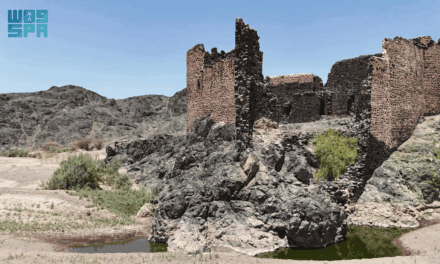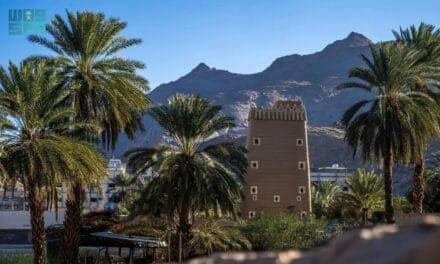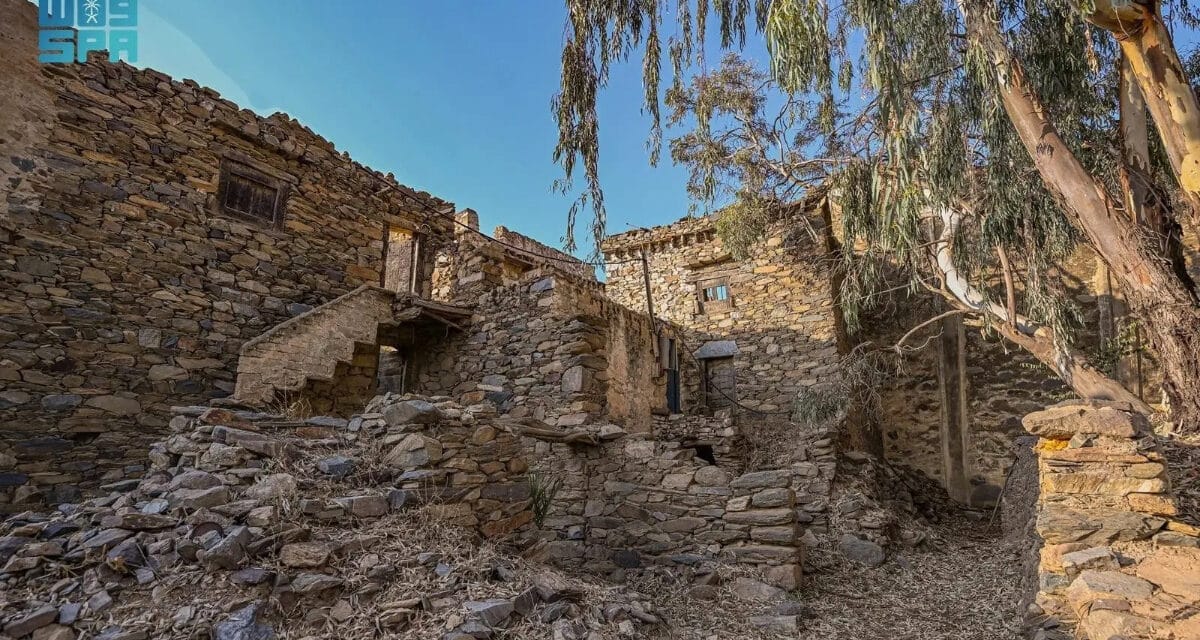
SPA — The Saudi Heritage Commission has officially registered 184 new heritage sites in Al-Baha in the National Antiquities Register, bringing the region’s total to 313 recorded archaeological locations. This initiative represents a major step in safeguarding the Kingdom’s historical legacy and ensuring its transmission to future generations.
A Comprehensive Heritage Initiative
The new registrations span cities, governorates, and villages across Al-Baha. This includes 22 sites in Al-Baha City, 24 in Baljurashi, 21 in Al-Mandaq, 6 in Bani Hasan, and 19 in Al-Qura. The Commission has documented hundreds of heritage buildings and villages alongside these archaeological sites. Notably, there are 1,030 in Al-Baha City, 430 in Baljurashi, and 312 in Al-Mandaq. These figures highlight the region’s architectural diversity and cultural significance.
According to Abdulrahman bin Saad Al-Ghamdi, Director of the Heritage Commission branch in Al-Baha, the effort aligns with Saudi Arabia’s broader strategy. It focuses on preserving its tangible and intangible heritage. The Saudi Heritage Commission Al-Baha project complements the national push to digitize and archive cultural sites. This creates a modern database that supports heritage management and research.
Preserving Identity and Promoting Cultural Tourism
Al-Ghamdi emphasized that the Commission is developing detailed management and protection plans for the newly registered sites. These initiatives align with the goals of Vision 2030. They address the Kingdom’s ambition to position itself as a global heritage, culture, and sustainable tourism hub.
Official statistics now record 313 archaeological and 2,634 architectural heritage sites in Al-Baha. The region’s distinctive heritage — from ancient stone villages and watchtowers to traditional mosques and homes — is built from local materials. This reflects its cultural diversity and enduring contribution to Saudi Arabia’s identity.
Through this extensive preservation effort, the Saudi Heritage Commission Al-Baha initiative ensures that Al-Baha’s heritage remains a living record of the Kingdom’s past. It also supports the growth of the cultural tourism economy, which connects history with modern development.
THE SAUDI STANDARD’S VIEW: Al-Baha’s Heritage Expansion Strengthens Saudi Arabia’s Cultural Legacy and Tourism Vision
The Saudi Heritage Commission’s registration of 184 new heritage sites in Al-Baha marks a significant advance in national efforts. It seeks to preserve and celebrate the Kingdom’s cultural identity. By expanding the National Antiquities Register to include a total of 313 archaeological sites and over 2,600 architectural landmarks, the initiative reflects Saudi Arabia’s deep commitment. This is to safeguard its historical wealth and transform it into a pillar of sustainable cultural tourism under Vision 2030.
• Comprehensive Heritage Documentation Strengthening National Identity
The systematic registration across Al-Baha’s cities and villages demonstrates the growing institutional capacity of the Heritage Commission. This meticulous documentation ensures that cultural landmarks — from ancient stone villages to traditional mosques — are preserved. They become enduring symbols of Saudi heritage and craftsmanship.
• Alignment with Vision 2030 Cultural and Tourism Objectives
By linking heritage preservation with tourism development, the initiative directly supports Vision 2030’s ambition to position Saudi Arabia as a global destination for heritage-based tourism. The program enhances Al-Baha’s role as a cultural and environmental destination, integrating conservation with economic opportunity.
• Digital Archiving and Modern Heritage Management
The Commission’s digital documentation and database development reflect a forward-looking approach to heritage management. By combining technology with conservation, Saudi Arabia is building a comprehensive, accessible record. This supports academic research, tourism planning, and international cultural recognition.
• Empowering Local Communities Through Cultural Preservation
Including heritage buildings across Al-Baha’s municipalities fosters community participation and regional pride. This inclusive approach not only preserves material history but also strengthens local identity. It ensures that heritage protection becomes a shared societal responsibility.
• A Living Bridge Between Past and Future
Al-Baha’s expanding heritage registry transforms the region into a living museum. Here, history informs innovation, and cultural authenticity supports sustainable economic growth. It exemplifies the Kingdom’s capacity to honor tradition while advancing modern development goals.
The Saudi Heritage Commission’s work in Al-Baha stands as a model of how Saudi Arabia is redefining heritage preservation — not as a retrospective exercise, but as a strategic investment in national identity, cultural vitality, and the future of sustainable tourism.
Related Reading